
GENESIS SIGNATURE EVENT HAPPENING NOW
EXPLORE INCENTIVES

Stepping into a new Genesis is not merely a purchase; it is an elevation of your driving experience. For the sophisticated residents of Cary, Raleigh, and the broader Triangle area, the transition to a 2026 model represents a commitment to automotive excellence. However, before you slide behind the wheel of a pristine GV80 or the electrically dynamic GV60, there is a significant financial component to address: the disposition of your current vehicle. Whether you are navigating the bustle of Research Triangle Park or enjoying a weekend drive near Jordan Lake, the equity in your current car is a powerful tool. It sets the stage for your next investment. At Genesis of Cary, we possess a deep understanding of the local luxury market. Our expertise, which you can learn more about on our About Us page, allows us to guide you through this process with precision. We have crafted this comprehensive guide to help you extract the maximum value from your trade-in, ensuring your transition is as seamless as the drive itself.
Key Takeaways (TL; DR)
-
Establish a Local Baseline: Before visiting a showroom, use reputable online resources to understand what your specific Genesis model is worth in the Cary and Raleigh markets.
-
Leverage Tax Advantages: Trading your vehicle in North Carolina offers a distinct fiscal benefit regarding Highway Use Tax, potentially saving you thousands compared to a private sale.
-
Curate a Visual Masterpiece: A professional-grade detail is essential to remove the specific environmental markers of our region, such as pine pollen and red clay dust, elevating your car's perceived value.
-
Organize Your Provenance: Presenting a complete portfolio of maintenance records and title documents signals to the appraiser that the vehicle has been stewarded with care.
-
Separate the Negotiations: To ensure clarity and maximize your return, finalize the price of your new Genesis before engaging in discussions regarding your trade-in allowance.
-
Understand Market Demand: Recognize which features—like cooled seats for humid North Carolina summers—are most coveted by local buyers to leverage your vehicle's specific desirability.
What Defines the Value of a Luxury Vehicle in Cary?
To truly maximize your return, you must first understand the landscape in which you are selling. The value of a pre-owned luxury vehicle is not a static number found in a book; it is a fluid figure influenced by local demand, economic conditions, and regional preferences. In the Triangle, where technology hubs and medical centers drive a robust economy, the appetite for high-end vehicles remains strong. However, buyers here are discerning. They seek vehicles that blend performance with practical luxury suitable for our specific lifestyle.
Why Local Market Data Matters
A Genesis G90 driven in a harsh northern climate ages differently than one driven on the relatively smooth pavement of I-540. Consequently, national averages may not accurately reflect the worth of a car that has lived its life in Wake County. When you begin your valuation process, you must look at data points that are relevant to our area. A vehicle that has been spared the corrosion of salted roads but perhaps exposed to the intense southern sun has a different maintenance profile. Understanding these nuances helps you build a case for why your vehicle deserves a premium valuation.
How Can I Determine My Vehicle's True Worth?
Knowledge is your most valuable currency in any negotiation. Entering a trade-in discussion without a clear idea of your vehicle’s worth is akin to navigating the beltline during rush hour without a GPS—you might get there, but it will be stressful and inefficient.
Consulting Authoritative Digital Resources
Begin your journey by consulting the titans of automotive data. Websites like Kelley Blue Book are excellent starting points. They offer sophisticated algorithms that can account for your vehicle's trim level, optional equipment, and mileage. When inputting your data, be scrupulously honest about the condition. It is better to be pleasantly surprised by a higher offer than disappointed because online estimates were based on an unrealistic assessment of "excellent" condition.
Another vital resource is Edmunds. Their appraisal tools often provide a slightly different perspective, giving you a range of values rather than a single number. This range is crucial because it accounts for market volatility. By averaging the data from these sources, you create a solid "anchor price" for your expectations.
Analyzing the Local Competition
Digital tools provide theory, but the local market provides reality. Take the time to scour listings in Cary, Apex, and Durham. Look for vehicles similar to yours. If you own a 2023 Genesis GV70 Advanced, search for that exact model within a 50-mile radius. Note the asking prices at dealerships versus private sellers.
Pay attention to the details. Does a similar car in Morrisville have the Prestige package? Does one in Holly Springs have significantly higher mileage? If you see that comparable models are listing for a premium, it indicates a shortage of inventory, which strengthens your negotiating position. Conversely, if the market is flooded, you may need to adjust your expectations or highlight unique aspects of your vehicle, such as a rare color combination or low mileage, to stand out.
The Strategic Choice: Dealership Trade-In vs. Private Sale
Every owner faces a fork in the road: should you trade the vehicle in, or attempt to sell it yourself? While a private sale can mathematically yield a higher gross sale price, the net benefit is often lower once you factor in the value of your time, the complexity of the transaction, and tax implications.
The North Carolina Tax Advantage
One of the most compelling reasons to trade your vehicle at a dealership in North Carolina is the Highway Use Tax (HUT) credit. unlike states with standard sales tax, North Carolina assesses a 3% HUT on vehicles. When you trade in a car, you are taxed only on the difference between the price of the new vehicle and the value of your trade.
For example, imagine you are purchasing a new luxury SUV priced at $80,000. If you trade in your current vehicle for $45,000, you are only responsible for paying the tax on the remaining $35,000 balance. This creates an immediate, tangible saving that stays in your pocket. If you were to sell your car privately, you would miss out on this tax credit entirely, meaning the private buyer would need to pay you significantly more just to break even with the dealership offer.
The Value of Time and Security
For the busy professionals of Cary and Raleigh, time is a finite and precious resource. A private sale demands that you become a marketing agency, a receptionist, and a test-drive supervisor. You must photograph the car, write compelling listings, field inquiries from strangers, and arrange meetings.
There is also the element of security. Meeting unknown individuals in parking lots or allowing strangers to test drive your high-performance vehicle carries inherent risks. A dealership trade-in eliminates these variables. You drive in, hand over the keys, sign the paperwork, and drive out. The process is handled in a secure, professional environment, allowing you to focus on the excitement of your new acquisition rather than the logistics of shedding your old one.
Preparing Your Genesis for the Appraisal

You would not attend an important business meeting in disheveled attire; similarly, you should not present your vehicle for appraisal without proper preparation. The condition of your car speaks volumes about how it has been maintained mechanically. A spotless vehicle suggests a conscientious owner who likely kept up with oil changes and service intervals.
The Art of Documentation
Before you even wash the car, gather your paperwork. A well-organized dossier of your vehicle’s history is a powerful tool. Locate your title. If you hold the title free and clear, have it ready. If there is a lien on the vehicle, have the payoff information from your lender accessible.
Next, compile your service records. In the luxury segment, a documented service history is gold. If you have serviced your vehicle at authorized centers, print out those records. Show that every oil change, tire rotation, and scheduled maintenance was performed on time. This proves the car has been loved, not just driven. Ensure you have both sets of key fobs. Modern luxury keys are expensive to replace, and missing one is an immediate, easy deduction for an appraiser.
Defeating the Elements: Exterior Detailing
The Triangle area presents unique challenges to vehicle exteriors. Our infamous spring pollen covers cars in a yellow film that can clog vents and dull paint. Red clay dust from local construction can stain wheel wells. Summers bring intense UV exposure.
Thoroughly wash the exterior, paying special attention to the wheels and tires. Brake dust is corrosive and unsightly; removing it signals attention to detail. Consider a clay bar treatment to remove embedded contaminants from the clear coat, followed by a high-quality wax. This makes the paint pop under the showroom lights. Ensure all glass is streak-free. If your headlights have started to yellow or fog—a common issue in sunny climates—invest in a restoration kit. Clear, bright headlights instantly take years off a car’s appearance.
Interior Refinement
The interior is where the next owner will spend their time, and it must feel inviting. Remove all personal items. This includes phone chargers, sunglasses, and the accumulation of receipts in the center console. Vacuum every crevice. Our region’s pine needles have a way of finding their way into carpets; ensure they are gone.
Treat leather surfaces with a conditioner. The humidity in North Carolina can be tough on leather, so showing that the seats are supple and crack-free is vital. If you are a pet owner who takes your dog to Umstead State Park, be extra diligent about removing pet hair and odors. Nothing depresses a trade-in value faster than the lingering scent of a wet dog or stale smoke. An ozone treatment can help neutralize these odors effectively.
Addressing Mechanical and Cosmetic Imperfections
A common question is how much repair work should be done before a trade-in. The goal is not to restore the car to factory-new condition but to remove objections that allow a dealer to lower their offer.
The Tire and Brake Equation
Tires are the first thing many appraisers check. In Cary, where sudden torrential downpours are common, good tread is a safety essential. If your tires are bald, the dealer knows they must replace them immediately to retail the car. They will deduct the retail cost of those tires from your offer. However, you do not need to put on top-of-the-line Michelin tires. If your tires are borderline, it might be worth replacing them with a decent mid-range set to present a "road-ready" vehicle.
Brakes are similar. If your brakes are grinding or squealing during the test drive, it screams "deferred maintenance." However, unlike tires, brake work is often cheaper for a dealer to perform in-house than for you to pay retail. If the issue is minor, it may be better to leave it, but be prepared for it to be noted.
Minor Cosmetic Fixes
Small dings and scratches are normal, but they can be distracting. PDR (Paintless Dent Removal) is a cost-effective way to pop out small door dings from grocery store parking lots. Touch-up paint can hide rock chips on the hood from driving on I-40.
Check all your lights and fluid levels. A burnt-out turn signal bulb costs a few dollars and takes minutes to change, but if an appraiser sees it, they wonder what else you ignored. Top off the washer fluid and ensure no warning lights are on the dashboard. A "Check Engine" light is a value killer. Even if it is just a loose gas cap, get it diagnosed and cleared so the dashboard is dark and calm.
Understanding Dealership Inventory Needs
To get the absolute best price, you need to think like a dealer. Dealerships want cars they can sell quickly. In the Cary area, certain configurations are more desirable than others.
The Local "Hot List"
SUVs like the Genesis GV80 and GV70 are perpetually in demand here. Families in Apex and Holly Springs need the space for school runs and the capability for road trips to the coast or the mountains. If you have an SUV with All-Wheel Drive, highlight it. While we don't get heavy snow, the occasional ice storm and heavy rain make AWD a major selling point for safety-conscious parents.
Sedans like the G70 and G80 appeal to the commuter class driving to RTP or downtown Raleigh. Fuel efficiency and comfort for stop-and-go traffic on Wade Avenue are key selling points. If your sedan features advanced driver aids like adaptive cruise control, make sure the appraiser knows. These features reduce the stress of the I-440 commute and are highly prized.
Timing Your Trade
Seasonality plays a role. Convertibles and sports cars often see a value bump in the spring as people look forward to warm weather driving. All-wheel-drive SUVs strengthen in value as we approach late autumn. However, in the current market, clean, low-mileage luxury vehicles are in demand year-round.
Before you go in, check the dealer's website. Do they already have five cars exactly like yours? If so, they might offer less. If they have none, your car becomes a unique inventory piece they need to acquire, giving you leverage.
The Negotiation Strategy
Approaching the negotiation table requires a calm, professional demeanor. You are engaging in a business transaction, and your preparation is your armor.
The "Two-Transaction" Rule
The golden rule of car buying is to separate the purchase of the new car from the trade-in of the old one. If you mix them, it becomes easy to get confused by the numbers. A dealer might show you a high trade-in value but refuse to budge on the new car price, or vice versa.
Negotiate the "out-the-door" price of your new Genesis first. Once that number is settled and written down, then introduce your trade-in. This ensures you see exactly what you are getting for your car.
Bringing Evidence to the Table
When they present you with an offer for your trade, compare it to your research. If their offer is lower than the KBB instant cash offer or an estimate from Consumer Reports, ask why. Show them your service records. Point out the new tires or the fresh detail.
"I understand the market average is X, but my vehicle has a perfect service history from this local dealership, new tires, and the desirable Prestige package. Based on this, and the offers I've seen for similar cars in Raleigh, I believe Y is a fair figure."
This approach is respectful but firm. It shows you have done your homework and aren't pulling numbers out of thin air.
The Role of Certified Pre-Owned Eligibility

If your Genesis is relatively new with low mileage, it might qualify for the brand’s Certified Pre-Owned (CPO) program. Dealers love these cars because they can sell them for a premium with extended warranties. You can read about the CPO standards on the Genesis USA website. If your car meets these high standards, remind the appraiser. "This car is a prime candidate for your CPO lot," is a phrase that reminds them of the potential profit margin they can make, justifying a higher trade-in offer to you.
Maximizing Value Through Transparency
Honesty is disarming. If your car has been in a minor fender bender that was professionally repaired, disclose it. They will find it on the vehicle history report anyway. By bringing it up first and showing the repair paperwork, you control the narrative. "Yes, it had a minor bumper scuff in a parking lot, but as you can see from the invoice, it was repaired with OEM parts at a certified body shop and looks brand new."
This builds trust. A dealer is more likely to stretch their offer for a seller they trust than one they feel is hiding something.
The Final Polish: Emotional Appeal
Finally, never underestimate the emotional connection. A car that smells good, looks great, and drives smoothly simply feels more valuable. The appraiser is a human being. If they enjoy the test drive, if the leather feels soft and the cabin is quiet, they are subconsciously inclined to rate the car higher. That is why the detailing step is so crucial. You are selling a luxury experience, not just a collection of metal and rubber.
By following these steps—researching the local Cary market, preparing your documentation, detailing your vehicle, and negotiating strategically—you position yourself to get the absolute maximum value for your trade-in. It transforms the process from a hurdle into an opportunity, giving you more equity to put toward the Genesis of your dreams.
Frequently Asked Questions (FAQs)
How does the North Carolina Highway Use Tax benefit my trade-in?
In North Carolina, when you trade in a vehicle at a dealership, you only pay the 3% Highway Use Tax on the difference between the new car's price and your trade-in value. For instance, if you buy a $60,000 car and trade in a $30,000 vehicle, you only pay tax on the remaining $30,000. This can save you hundreds or even thousands of dollars compared to selling your car privately and paying tax on the full purchase price of the new one.
What documents do I need to bring to the dealership in Cary?
To ensure a smooth transaction, bring your valid North Carolina driver’s license and the vehicle’s current registration. If you possess the title, bring it with you; if a bank holds the title, bring your most recent loan statement so the dealership can obtain a payoff quote. Additionally, bring all sets of keys and any service records you have collected, as these prove the vehicle's maintenance history and add value.
Does vehicle color affect trade-in value in the Triangle area?
Yes, color can influence desirability and value. In the Cary and Raleigh markets, neutral, sophisticated colors like white, black, silver, and gray are consistently in high demand and retain value well. While a bold color might appeal to a specific buyer, it can sit on the lot longer, which might lead a dealer to offer slightly less. However, specific luxury colors like deep blues or forest greens can sometimes command a premium if they are currently trending.
Should I fix major repairs before trading in my car?
Generally, it is not financially wise to pay retail prices for major repairs just before trading in. Dealerships can perform repairs at a lower internal cost than you can. However, addressing minor, inexpensive issues—like replacing burnt-out bulbs, fixing a cracked windshield, or getting a professional detail—is highly recommended, as these small flaws can disproportionately lower the appraiser’s initial impression of your vehicle.
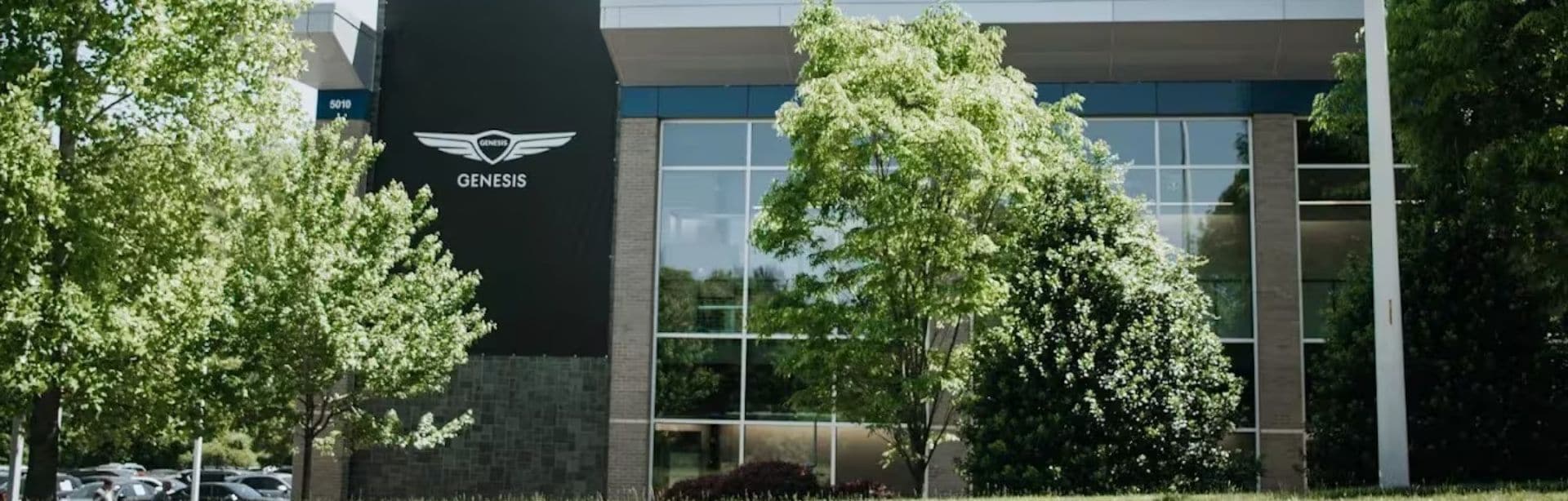
About Genesis of Groveport
Genesis of Cary, the Triangle Area's largest Genesis dealership, is a proud family-owned and minority-owned business within the Johnson Automotive Family. Our exclusive Genesis facility features certified technicians in a climate-controlled service department, ensuring expert care for your vehicle. We make luxury ownership easy with amenities like complimentary loaner vehicles, online purchasing, and extended overnight test drives. As a dedicated community partner, we proudly support local organizations such as Vets to Vets United and the Raleigh Camerata. Trust our team to provide an award-winning experience backed by genuine expertise and a commitment to our community.
Related Articles:
The Triangle Driver’s Guide to Selecting a Premier Genesis Dealership
Categories:
Social
